
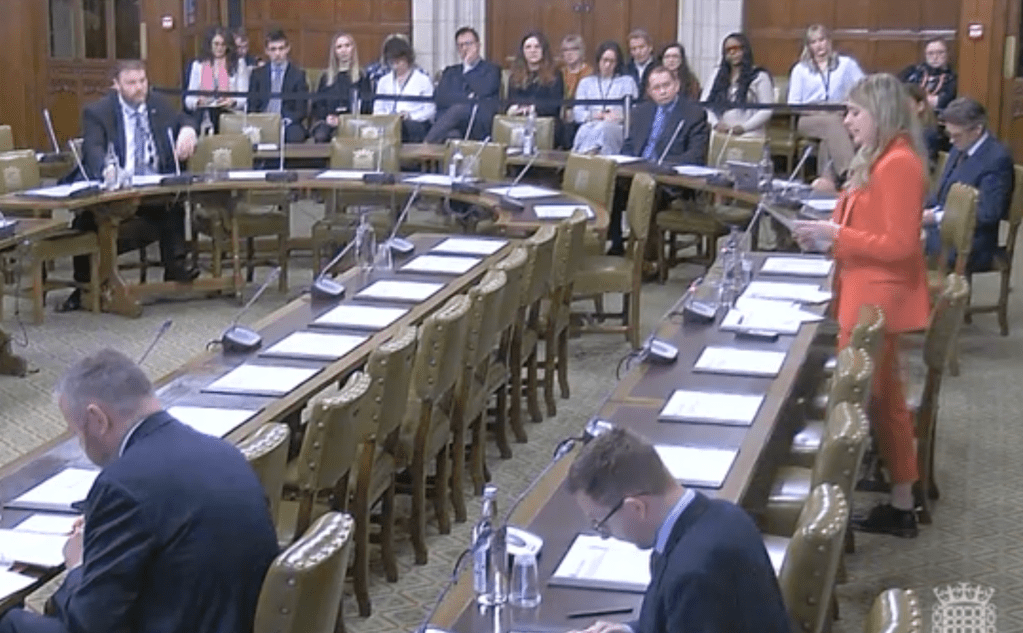
MPs have been calling for greater support for migraine sufferers in the first parliamentary debate on migraines in 60 years. MP Dehenna Davison talked about the challenges around migraines, calling for widespread change to tackle a condition that affects 1 in 7 people in the UK.
Talking about her own experience with migraine, as well as drawing from a survey of hundreds of migraine sufferers around the UK, Davison described the impact that migraines can have on people’s lives. “Migraine is a disability. It ruins lives”, she said, pointing to the large proportion of migraine sufferers that live with intense pain, affecting their personal and professional lives.
Davison called for four concrete changes:
- NICE guidelines should be updated to allow patients quicker access to the best treatments. She pointed out the absurdity of the current situation where, to get erenumab, a drug designed for migraine, patients must first have failed on three treatments that are not designed for migraine.
- The postcode lottery which means that only 29% of trusts offer CGRP blockers should end and the treatment should be more widely available.
- GPs should be allowed to prescribe treatments such as CGRP blockers.
- Migraine should be considered a disability. As such, it should gain the reasonable adjustments from workplaces and the DWP should consider chronic migraine when making assessments, in order that people don’t unfairly lose their jobs.
Other members of parliament across the political spectrum were keen to support the debate.
Caroline Noaks, chair of the Women and equalities select committee, talked about the stigma associated with migraines. She talked about her own experience of stigma around symptoms like brain fog, treatments such as botox, and the mental health issues that go hand in hand with chronic migraines. She pointed out that women are under-represented in research and treatment, with many being considered hysterical rather than ill, and called for the women’s health strategy to be expanded beyond reproductive health to these issues.
Gavin Williamson called for more understanding in terms of research, GP training, and also from the general public to improve awareness. Along with others, he raised the importance of workplaces developing understanding and policies to support migraine sufferers, pointing to the Migraine Trust’s resources for workplaces and recent Workplace Pledge Campaign. Owen Thompson went further to demand that requests for flexible working to become a right in order to support migraine sufferers at work.
Shadow health minister Karin Smyth also committed a labour government to creating better support for treatment, care and research on migraine, recognising that “those living with migraine deserve treatment when and where they need it.”
Chief Executive of the Migraine Trust, Rob Music, appeared on BBC breakfast news to support the debate.
Despite these positive messages, Wales was conspicuously absent from the debate. The Migraine Trust lists only one headache clinic in Wales, compared to 45 in England. Anna MacLean, one of the founders of Migraine Cymru Wales praised the debate, but warned “there is much to do going forward to raise awareness, reduce stigma surrounding migraine, and improve the education of primary health care providers. This will improve the quality of care given to those affected and improve access to correct and specific migraine treatment much sooner to avoid and alleviate so much unnecessary suffering. We must also promote research. To this end, all migraine charities and organizations in the UK and abroad should endeavour to join hands and act as one voice so that we are heard.”
Migraine Cymru Wales hosts regular meetings for migraine sufferers. Find out more here.
 Migraine Cymru Wales
Leave a comment